

We and our third party service providers use cookies and other technology to enhance your experience and analyze use of this website, by continuing to use this site, you agree to this use. Find out more information about how we collect and use this information in our Privacy Policy.
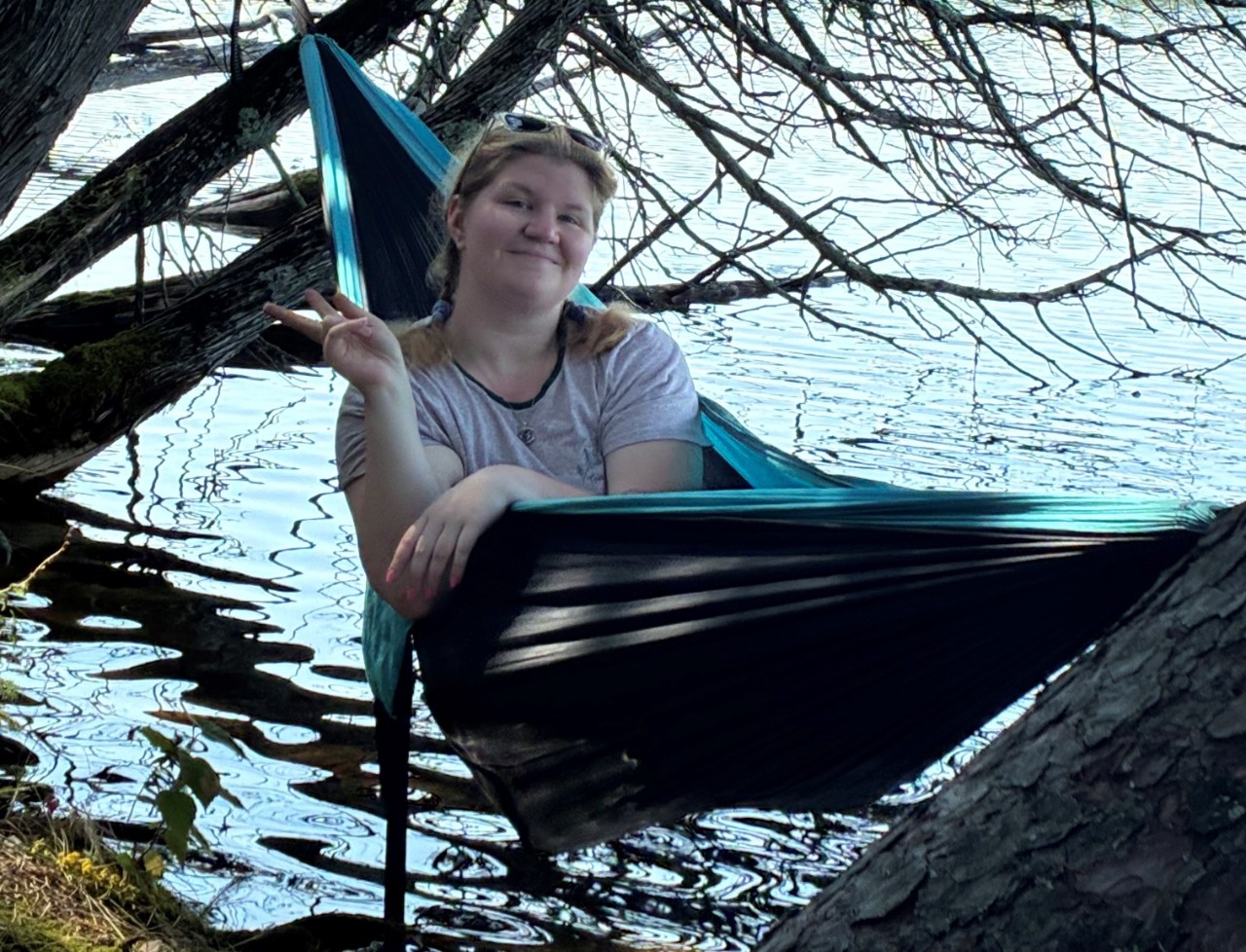
When Alyssa walks across the stage at the Hazelden Betty Ford Graduate School's commencement ceremony this month, her diploma will symbolize the triumph of resilience over adversity and the validation of a bold experiment in higher education.
Alyssa's opportunity to earn a master's degree came via the school's new Alternative Admissions Pathway, which is designed to open doors for students with relevant experience and potential but lacking a bachelor's degree. She was one of eight students in the pilot cohort—whose success was so evident that the program is now fully approved, with the generous support of the Patrick and Aimee Butler Family Foundation.
With the first members of the pilot group beginning to graduate and begin their careers, the door to a world-class education in behavioral health counseling is wider than ever.
"Their success—at a time when behavioral health faces big workforce challenges—paves the way for more people to pursue or advance a career doing the meaningful and lifesaving work of empowering recovery and well-being," says Dr. Kevin Doyle, the school's president and CEO.
A Childhood of Instability
A Minnesota native, Alyssa's early life was affected by parental addiction and mental health challenges, incarceration and poverty. "We were evicted a lot," she says. "I went to 12 schools before graduating from high school. I couch-hopped with friends a lot of the time. I knew my parents loved me, and the instability made me adaptable…but it was hard."
Despite the chaos, Alyssa loved school. A college-prep middle school and a hands-on charter high school changed her outlook. "The college prep program really motivated me to think and dream about my future, and the charter school teachers cared about me when I wasn't getting much support at home," she says. "Those schools completely changed the trajectory of my life."
After graduating from high school, Alyssa earned a STEM scholarship to university, but mental health struggles and financial hardship forced her to leave. "I did great my first year, but sophomore year was rough," she says. "My dog got sick, I went broke, and I dropped out."
She spent the next couple of years working odd jobs and caring for her family—while dreaming of a career that could make a difference. "My entire life, everything had been about money—not having any and thinking that's what I needed most," she says. Eventually, she came to realize that "what I really wanted was purpose and meaning."
That purpose crystallized when Alyssa began to work at a drop-in resource center for people re-entering society after incarceration.
"I had some experience with the various challenges faced by the people who came into the re-entry center, but the help and solutions we could offer were limited—especially for people dealing with addiction and mental health issues," she said. "It was heartbreaking, and I wanted to do more."
A Chance Encounter
Alyssa was staffing an information table for the re-entry center at an event, where she happened to be next to the Hazelden Betty Ford Graduate School's table. "I got talking to the person there and learned they had kicked off a pilot for applicants who didn't have a bachelor's degree," she recalls. "I couldn't believe it. I applied, got accepted, and received some scholarship help—and now I'm a graduate. I'm so thankful." Alyssa received a donor-funded Impact Scholarship and the Alan Braun Endowment Grant during her first year of school.
Graduate school wasn't easy, but Alyssa thrived. And through her experience—classes, practicums, internships, residencies—she began to feel less alone and more hopeful. "As challenging as my upbringing was, school helped me understand I wasn't such a unique case," she says.
It didn't take long for Alyssa and her Graduate School cohort to make it clear that the Alternative Admissions Pathway was an excellent way to widen the pipeline of addiction and mental health counselors. Because lived experience and strong determination can be as powerful as a transcript.